Projects

A selection of my personal projects and open-source contributions.

Smart Store

IoTRapid PrototypingUI/UX DesignWeb ApplicationRaspberry Pi

Modular IoT pallet system for real-time construction site inventory tracking, developed in collaboration with PERI.

Smart Store was developed in collaboration with PERI during the TechChallenge organized by UnternehmerTUM. The objective was to digitize construction site logistics without adding extra workload for on-site workers.

The Problem

Construction sites frequently lack structured systems for tracking materials, relying instead on the knowledge of individual workers. When those individuals are absent, materials can easily go missing, be reordered unnecessarily, or become vulnerable to theft. Existing digital tools often prove too time-consuming or impractical for the fast-paced conditions on construction sites.

The Solution

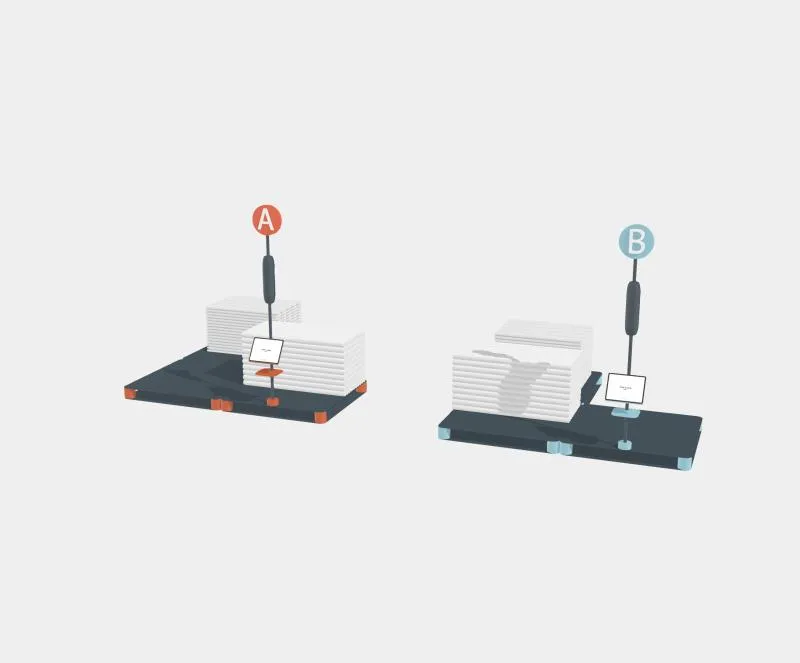
We created a modular pallet system equipped with pressure sensors (load cells) to automatically detect inventory levels.

  • Hardware: Modular units that communicate wirelessly and adapt to dynamic site layouts.
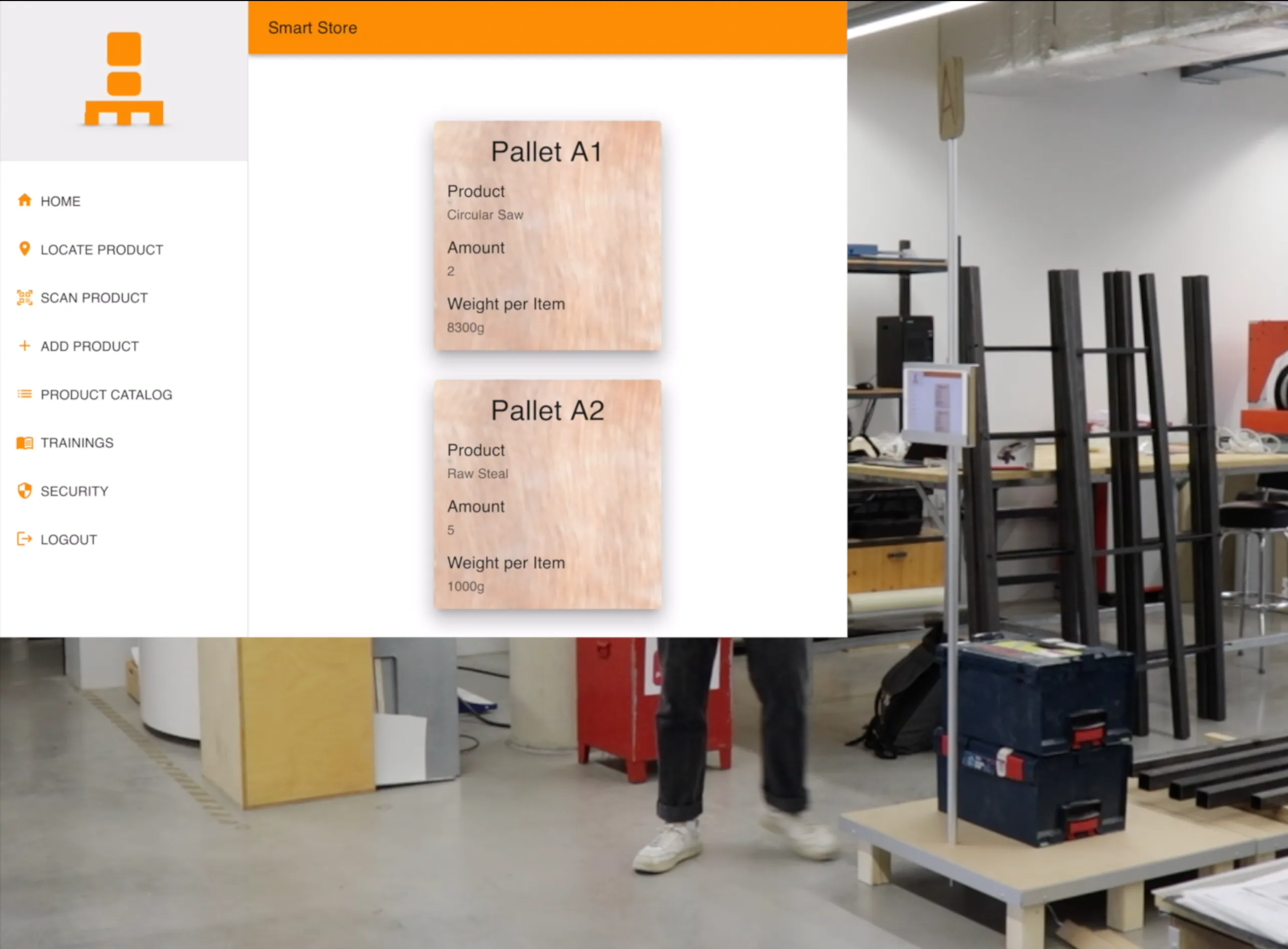
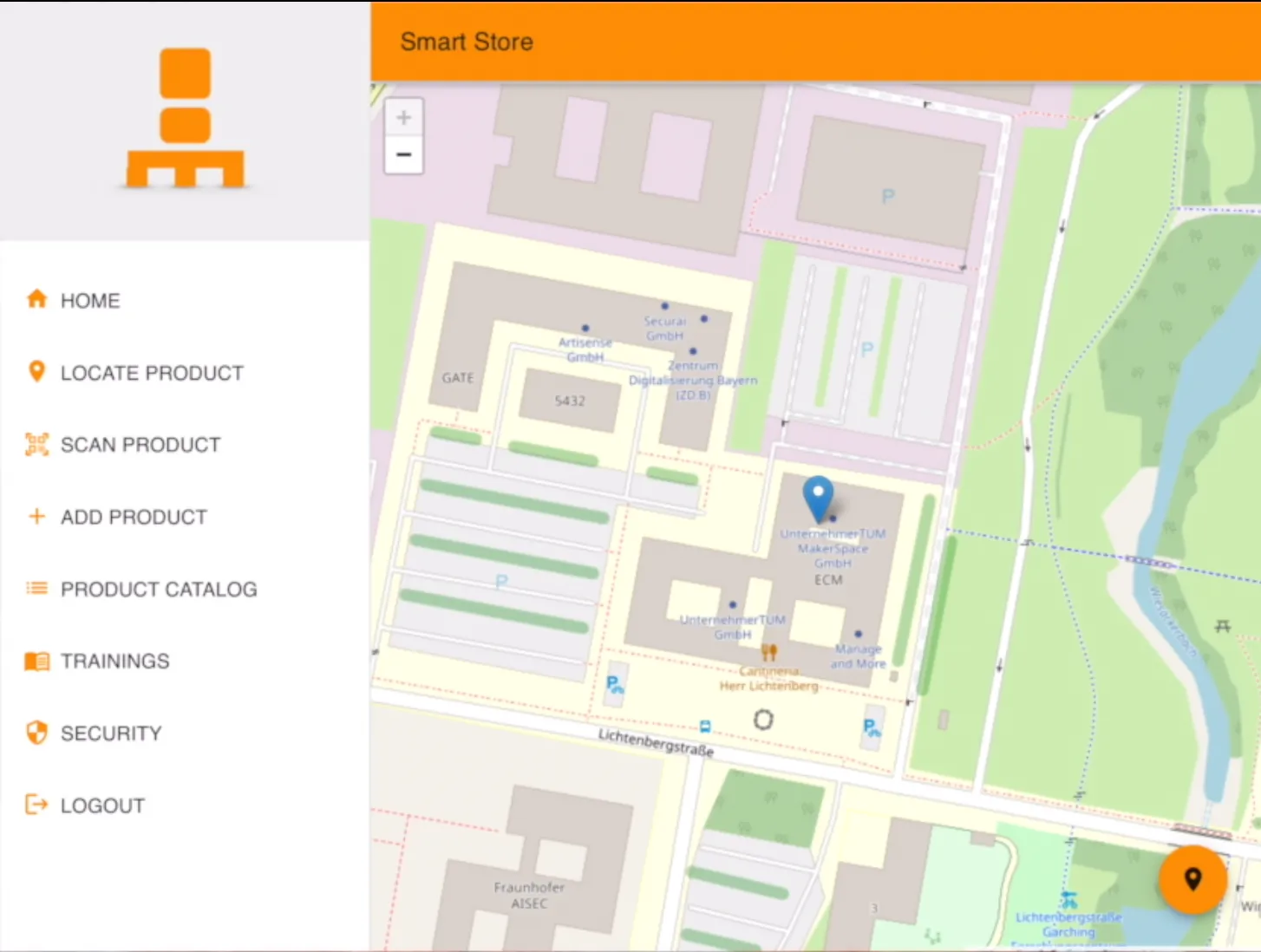
  • Software: A web application accessible via fixed site terminals or mobile devices, providing real-time visibility into item locations and stock levels.

My Role & Learnings

As the UI/UX and Software Lead, I:

  • Designed and implemented the web application.
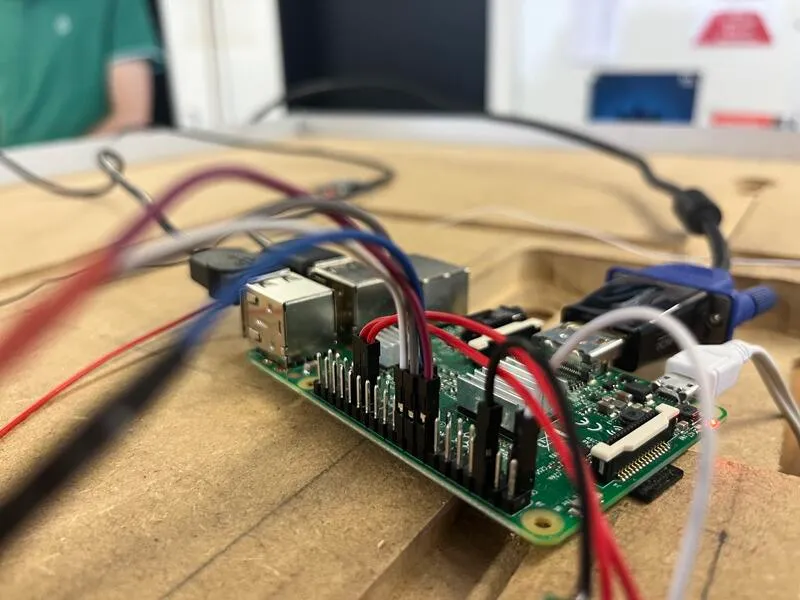
  • Integrated the software with the Raspberry Pi-based physical prototype.
  • Conducted field visits to active construction sites to gather user feedback.
  • Translated complex site requirements into a simple, friction-less interface.

Technical Prototype

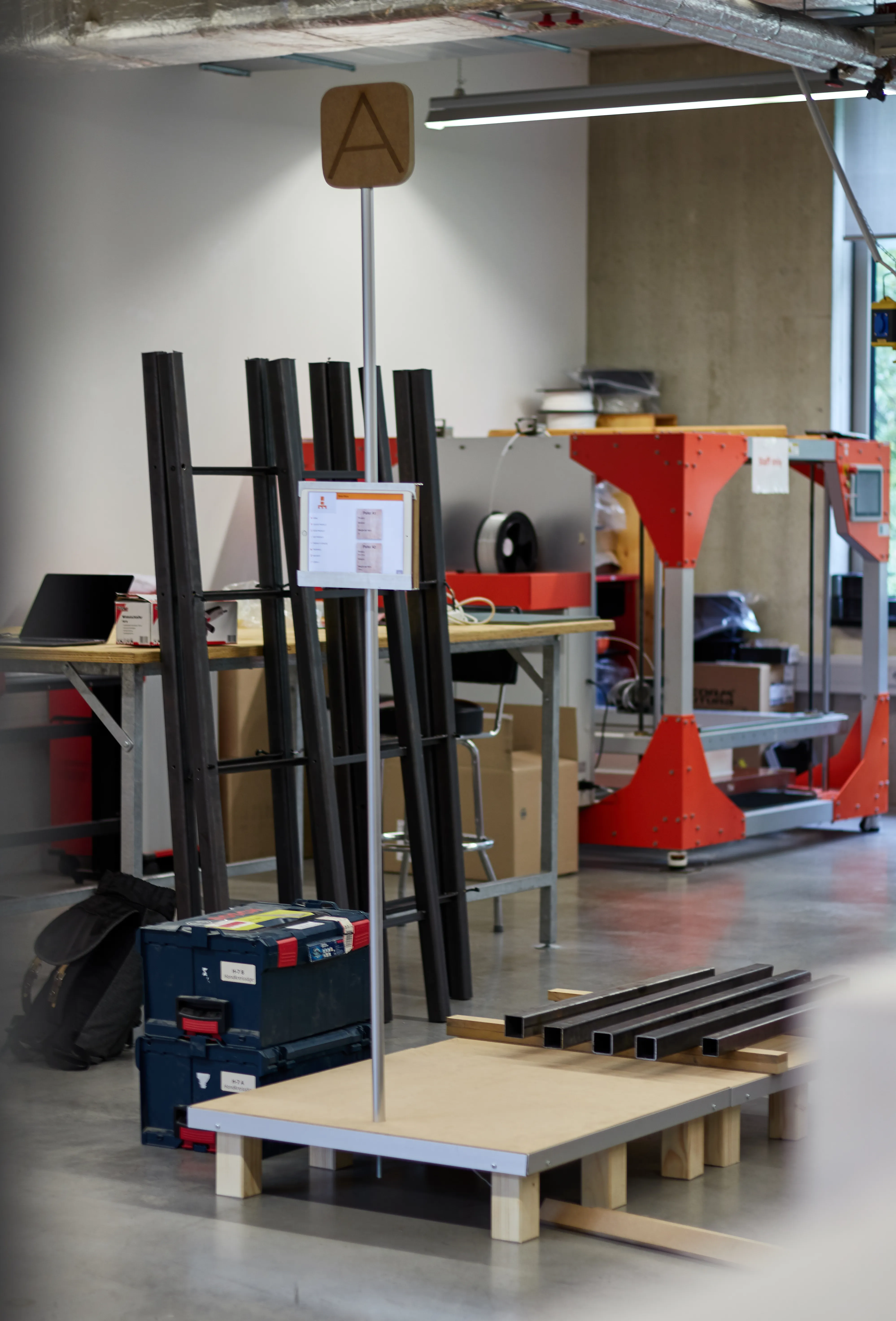
Our MVP used two pallets connected to a Raspberry Pi, with data visualized in real-time on an iPad interface.

After the TechChallenge, the project was accepted into the XPLORE start-up pre-incubation program at UnternehmerTUM, where we continued to develop the business model and technical concept.
My Vision

iOSSwiftNodeJsTypeScriptGraphQL

A digital companion for ZEISS consumers bridging the gap between physical eye care visits and digital touchpoints.

In the summer semester of 2021, I participated in the iPraktikum at the Technical University of Munich (TUM) in collaboration with ZEISS. Our goal was to develop a digital companion for ZEISS consumers that bridges the gap between digital touchpoints and physical eye care visits, fostering a long-term relationship between users and Eye Care Professionals.

The Problem

The rapid increase in digital device usage has made eye care essential, yet the consumer journey remains fragmented. Users often struggle to track their eye-care history, symptoms, and product purchases. Without connected digital touchpoints, the relationship between ZEISS, Eye Care Professionals, and consumers is often limited to occasional, disconnected visits.

The Solution

We developed “My Vision”, an iOS application designed to be a comprehensive eye health companion.

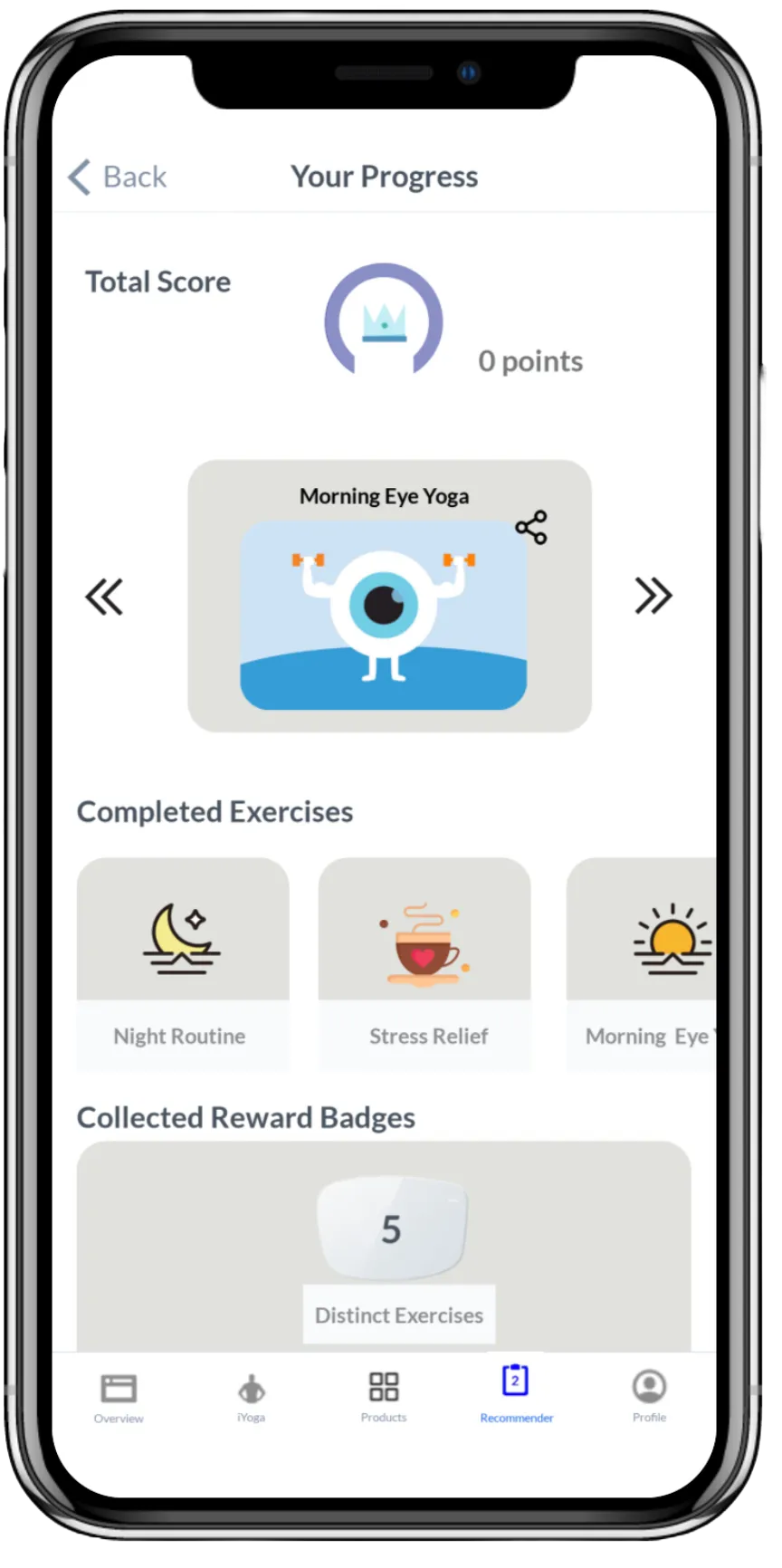
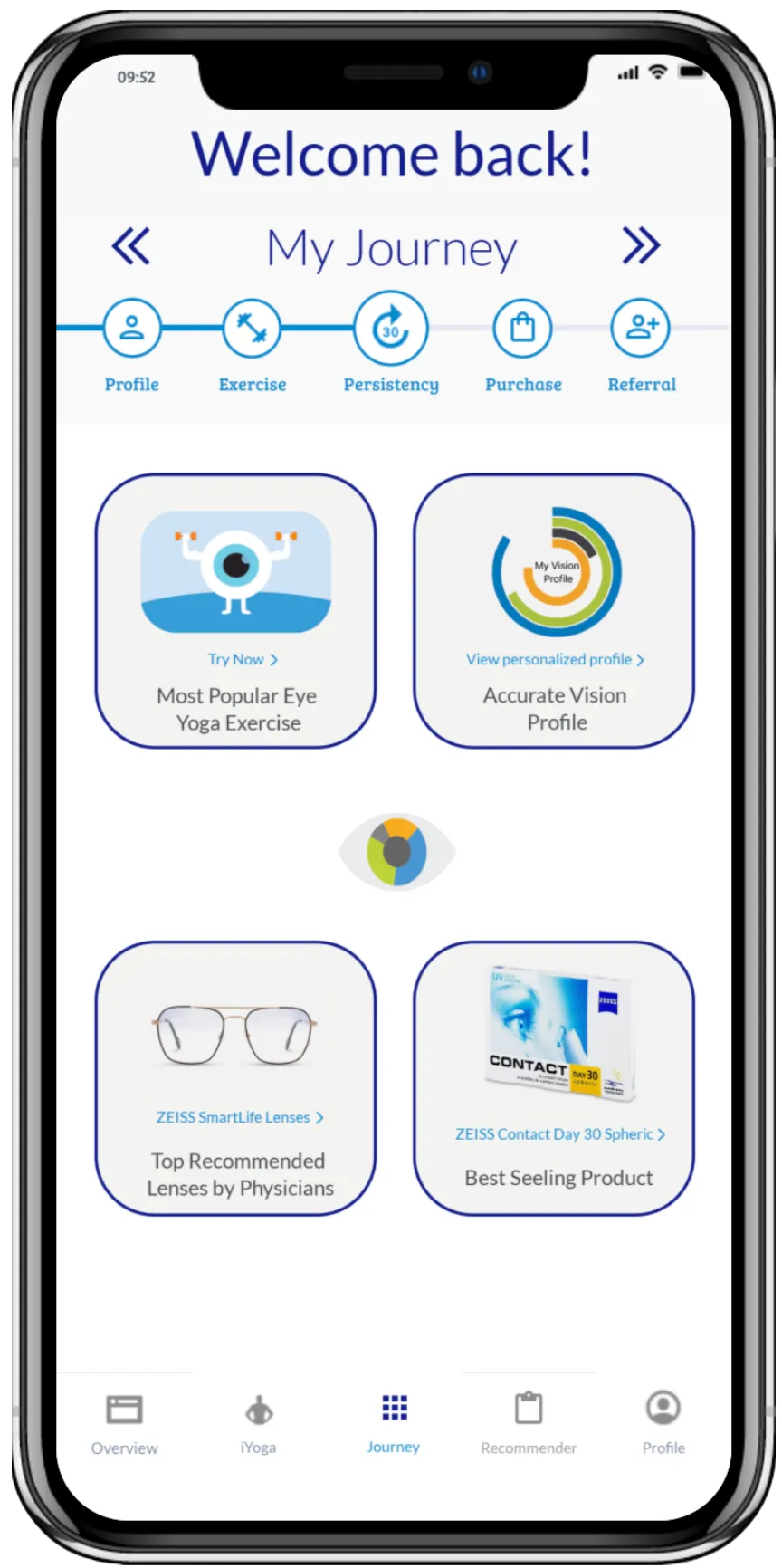
  • Vision Journey: A timeline that tracks all eye-care events, such as visits to Eye Care Professionals, product purchases, and completed eye care exercises.
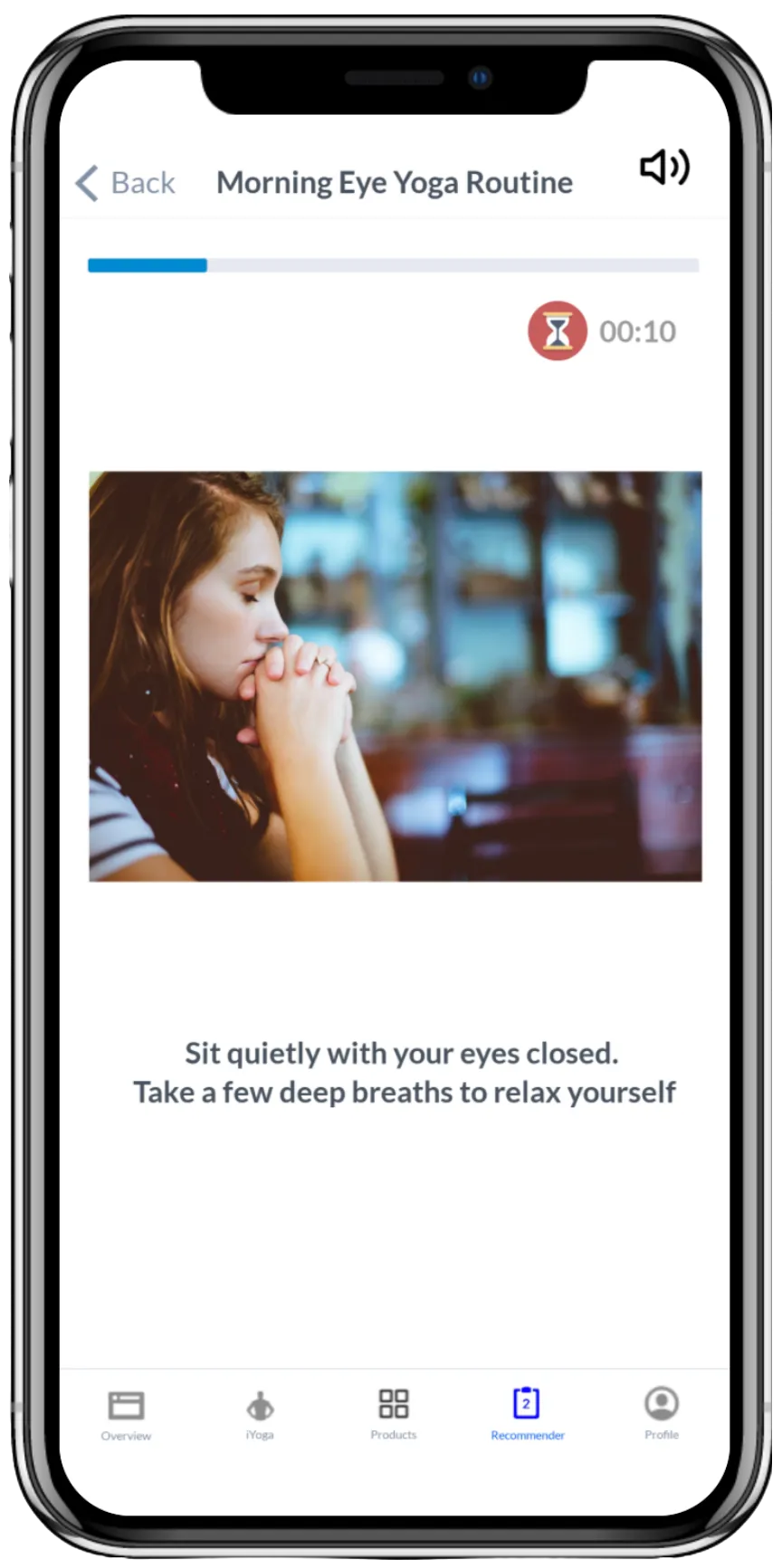
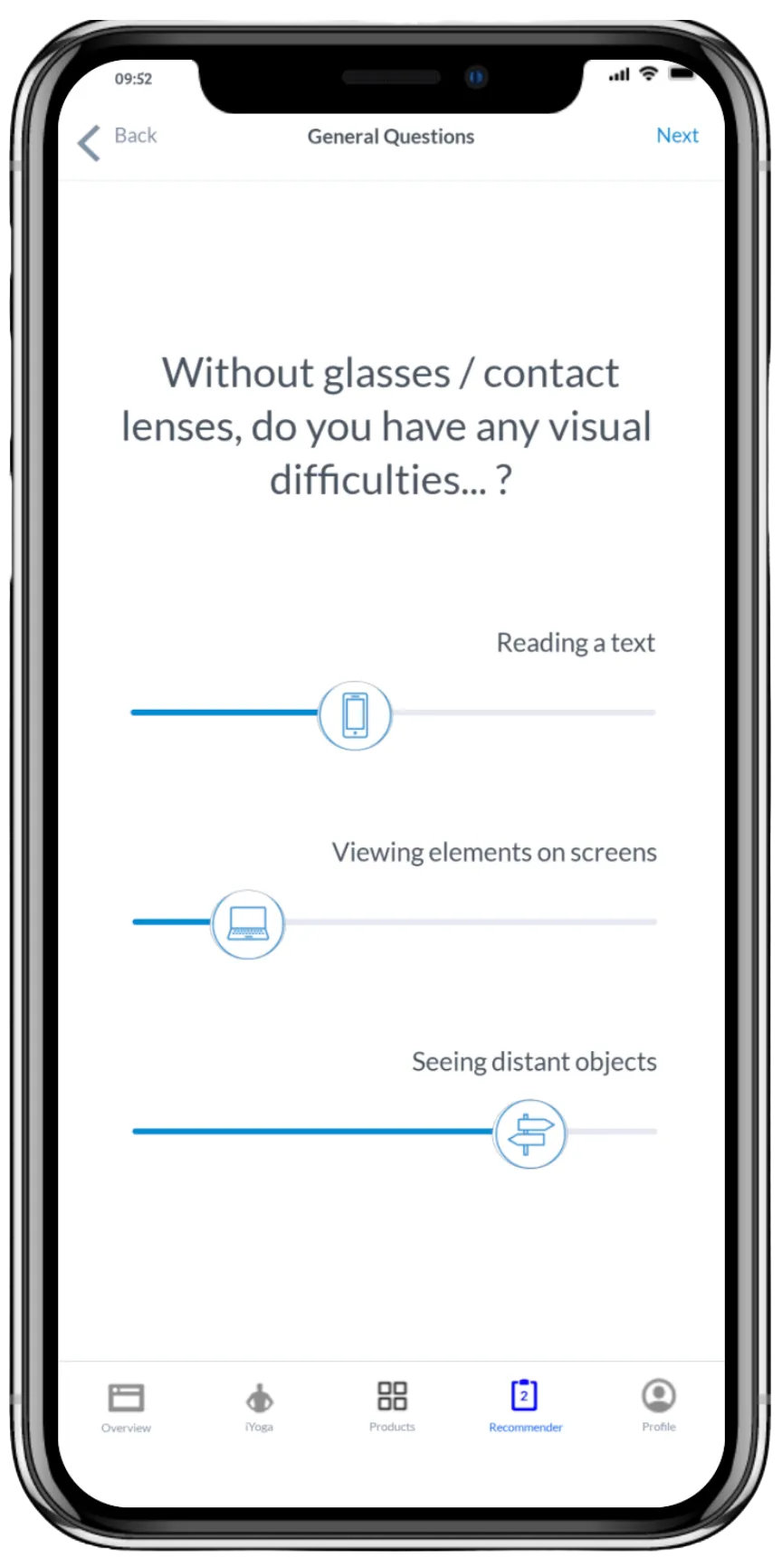
  • Eye Health Recommender: Uses a lifestyle questionnaire to provide personalized product suggestions and “Eye Yoga” routines.
  • Eye Yoga: Guided audio-visual exercises help users relieve eye strain in their daily lives.
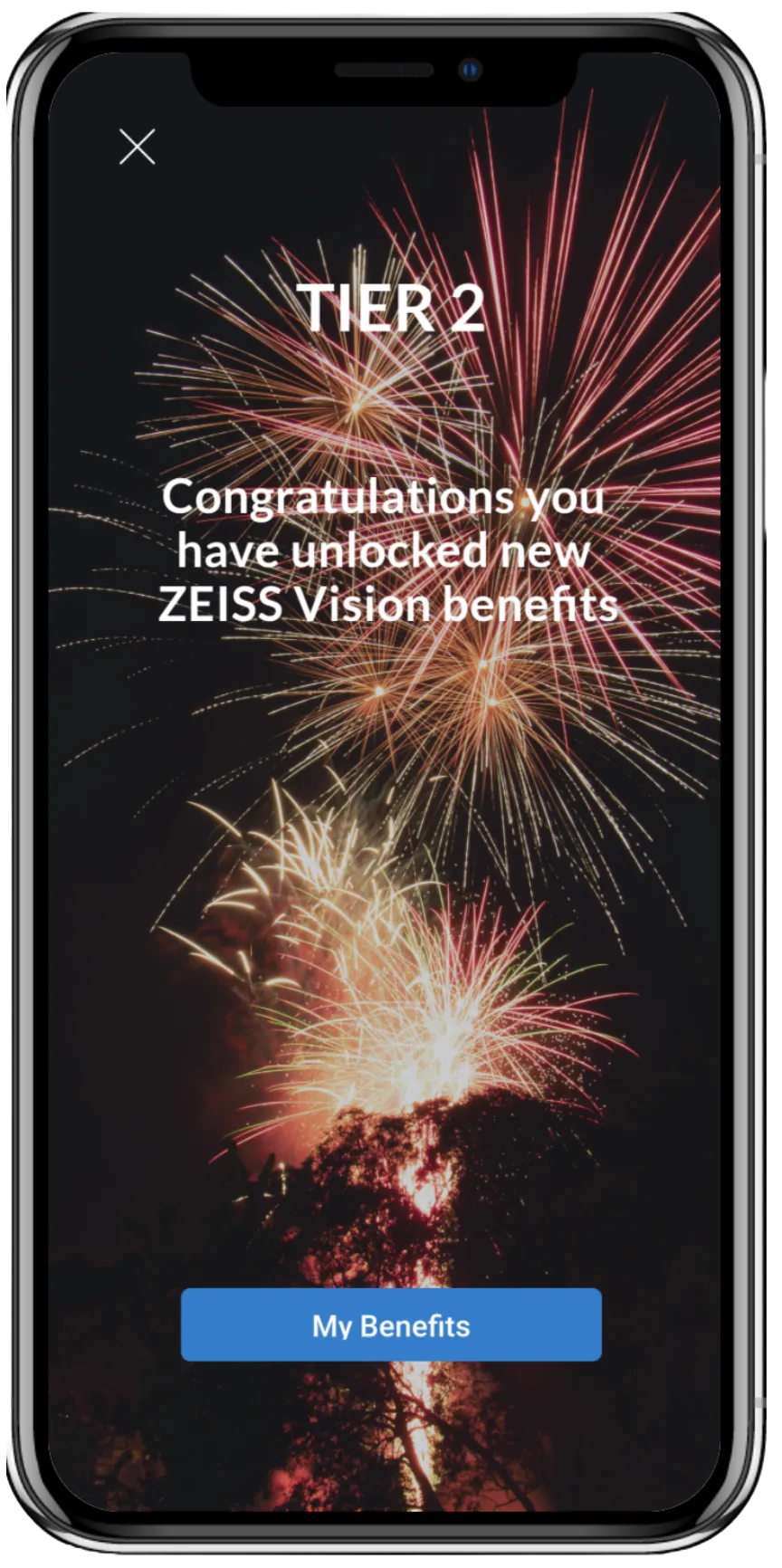
  • Loyalty Engine: Users earn points and unlock tiers for healthy habits and purchases to drive engagement.

Implementation

The project was built as a full-stack solution.

  • Mobile App: Developed for iOS using Swift and SwiftUI to ensure a modern and responsive user interface.
  • Backend: Powered by TypeScript and GraphQL, with a MongoDB NoSQL database for flexible and scalable data management.
  • Security: Implemented through JWT authentication, bcrypt password hashing, and email verification.

My Role & Learnings

My main focus was on backend development and CI/CD but I also contributed to the UI/UX design and iOS frontend implementation.

  • Gained deep expertise in Swift and SwiftUI.
  • Architected secure, scalable mobile backends using GraphQL and NoSQL databases.
  • Worked in an agile environment with iterative feedback loops.

MM-Remote

FlutterDartAndroidLinuxWindows

Android, Linux, and Windows application for controlling a smart mirror remotely. Open-sourced on GitHub.

View on GitHub →

GitHub downloads

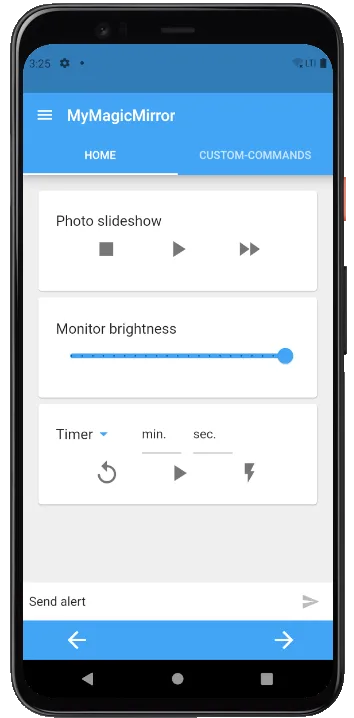
MM-Remote is a multi-platform application designed to control a Smart Mirror remotely. It integrates seamlessly with various MagicMirror modules while also providing the flexibility to create custom commands for tailored functionality.

Core Features

  • Monitor Control: Change brightness, toggle power, and manage shutdown/reboot remotely.
  • Media Management: Control photo slideshows (play, stop, skip) and adjust mirror volume.
  • Information & Alerts: Send alerts to the mirror and manage timers/stopwatches.
  • UI Customization: Effortlessly switch between different UI pages on the mirror.
  • Cross-Platform: Available on Android, Linux, and Windows.

Kanban-ToDo

FlutterDartAndroidCloud Sync

Application for collaborative task management, offering both simple ToDo lists and more sophisticated Kanban boards.

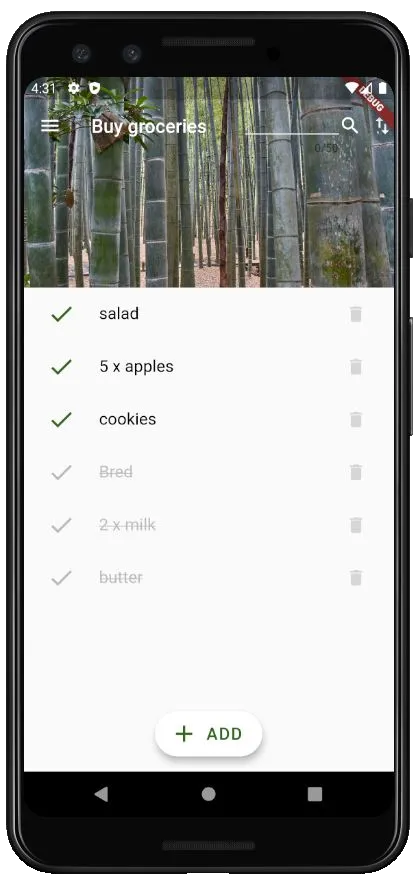
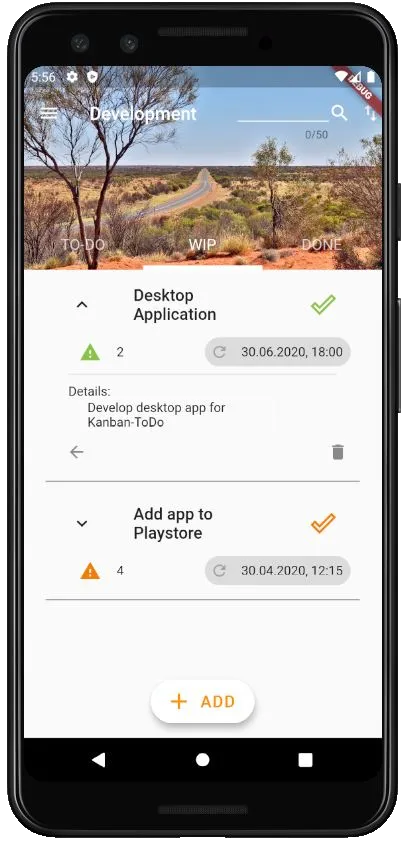
Kanban-ToDo is a versatile task management application designed to handle everything from simple grocery lists to complex event organization. It provides a dual interface: a streamlined ToDo list and a structured Kanban board.

Core Features

  • Flexible Management: Choose between a simple list or a Kanban board with TODO, WIP (Work in Progress), and DONE stages.
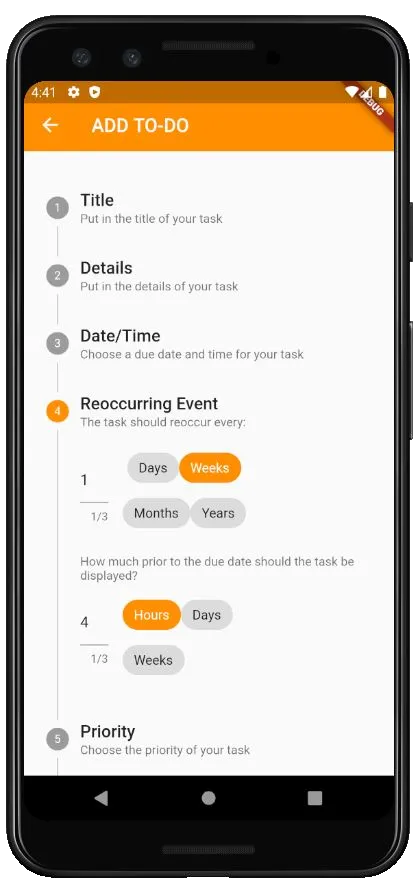
  • Task Customization: Add deadlines, priorities, and set tasks as reoccurring (daily, weekly, or monthly).
  • Advanced Sorting: Organize tasks by priority, deadline, alphabetical order, or completion status.
  • Collaborative Work: Real-time synchronization for registered users, allowing multiple people to manage the same boards and lists.
  • Cloud Integration: Securely back up tasks in the cloud and sync across multiple devices.

MagicMirror

Raspberry PiLinuxIoTSensors

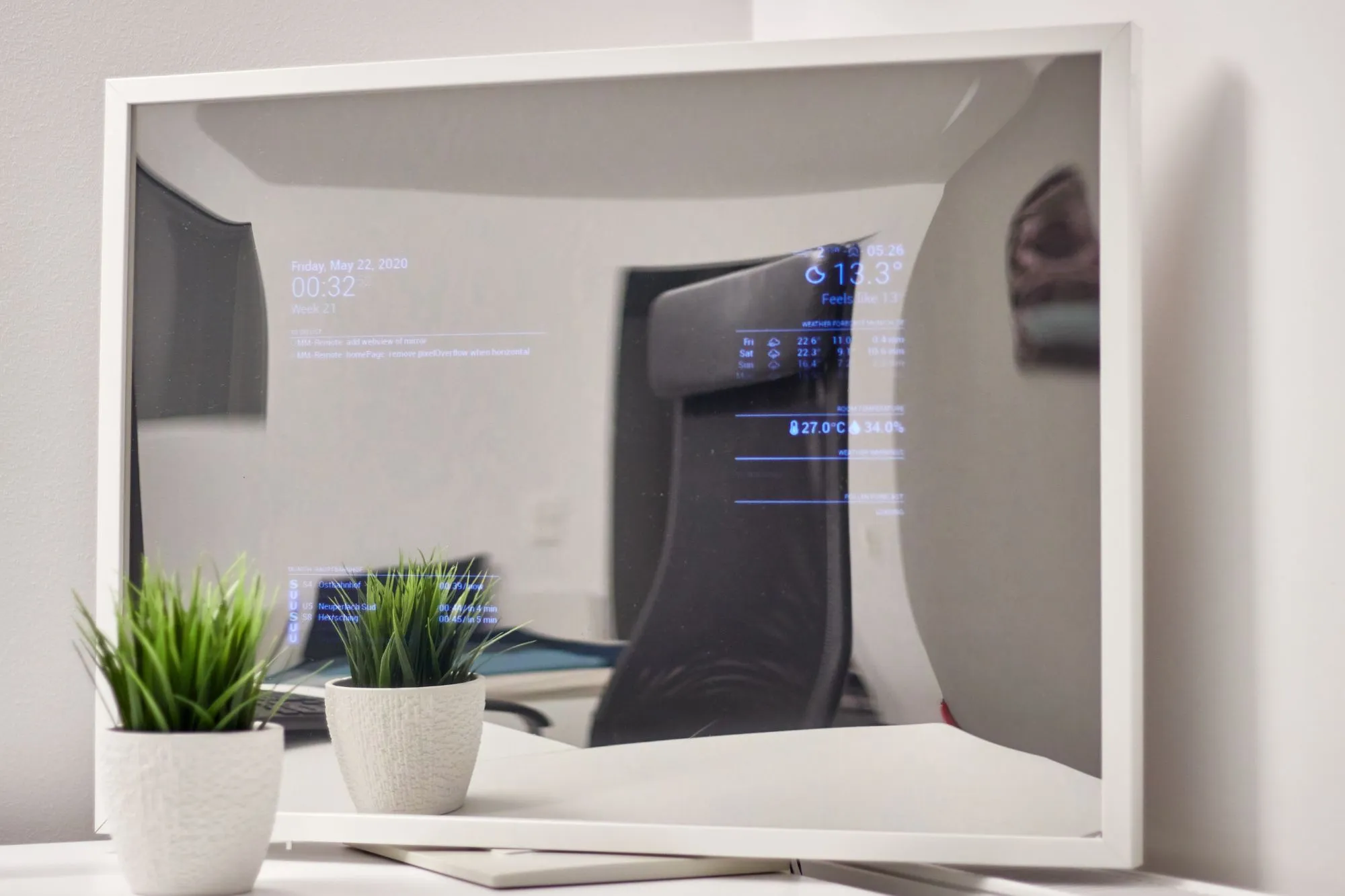
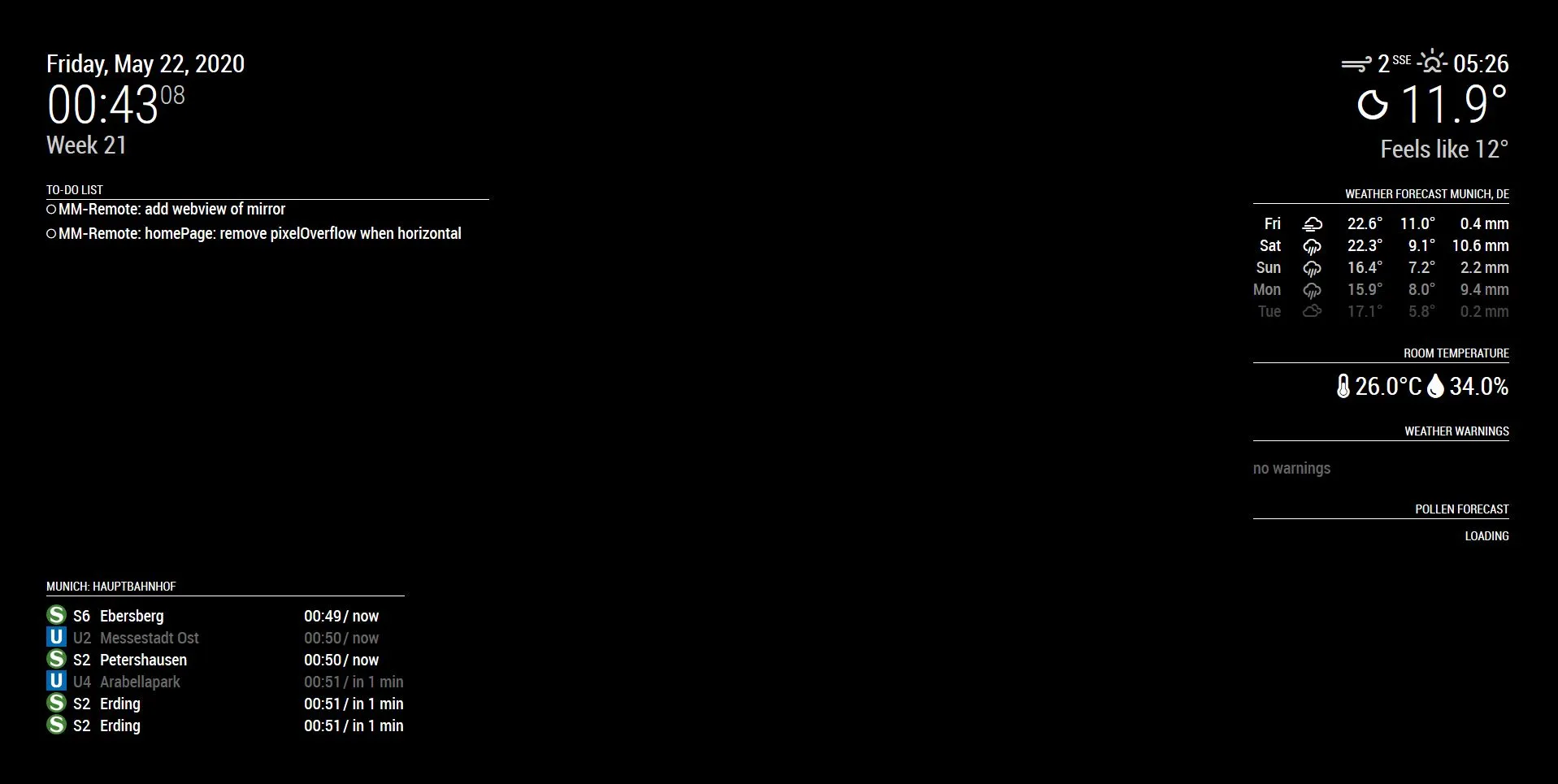
A smart mirror displaying information like the weather, public transport information, music playing on Spotify, or a slideshow of pictures.

This project is a smart mirror based on Michael Teeuw’s MagicMirror open-source platform. It transforms a standard mirror into an information hub by placing a monitor behind a one-way mirror and using a Raspberry Pi to control the interface.

Core Features

  • Real-time Information: Displays time, date, weather forecasts, and pollen counts.
  • Integration: Syncs with Google Tasks and displays public transport information for local stations.
  • Multimedia: Shows the current track playing on Spotify (including cover art) and supports a photo slideshow.
  • Hardware Integration: Built-in sensors provide real-time room temperature data.
  • Remote Control: Can be controlled via the MM-Remote app, a Telegram chatbot, or cast videos via the YouTube app.